
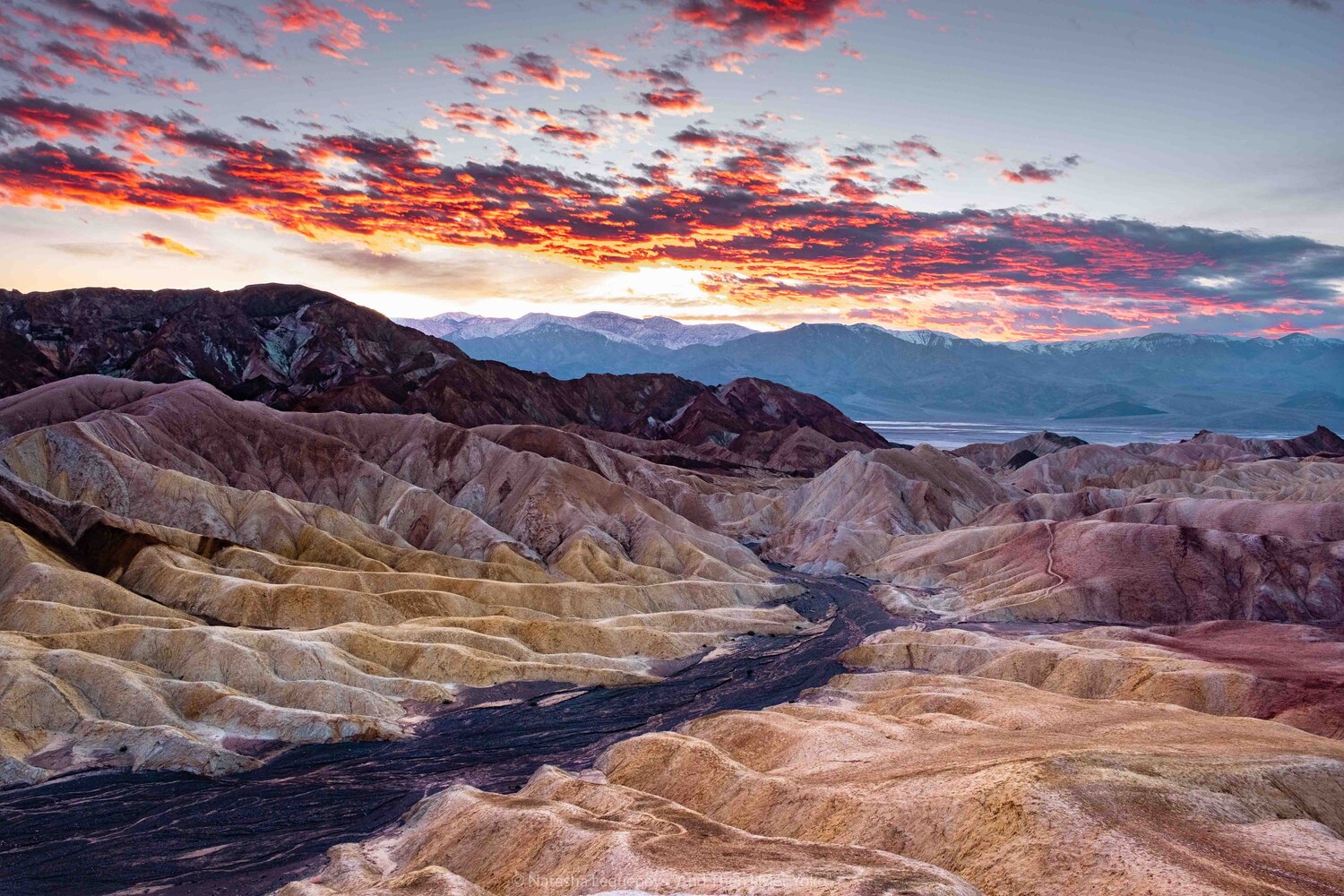

Camping in Death Valley is less about amenities and more about atmosphere. You are here for the silence, the scale, the dark skies, and the strange feeling that the desert is somehow both completely empty and intensely alive at the same time.
Furnace Creek Campground
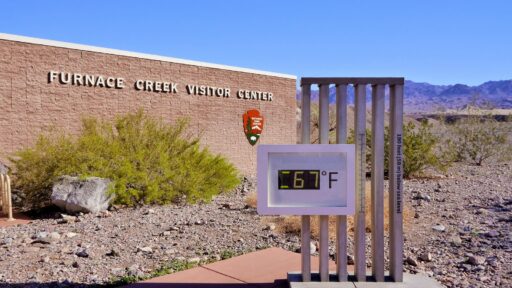
If you want easier access to the main highlights of Death Valley National Park, Furnace Creek is usually the best starting point.
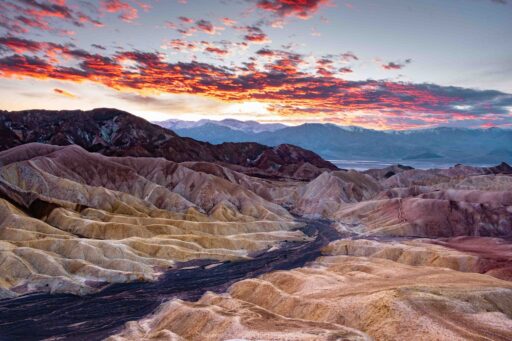
You’re close to Badwater Basin, Zabriskie Point, Golden Canyon, Artists Drive, and nearby services including fuel, food, and water. After enough time in the desert, having access to a cold drink and a functioning bathroom starts feeling surprisingly luxurious.
This is also one of the better campgrounds for first-time visitors and families.
Panamint Springs Campground
Out near Panamint Springs Resort on the western side of the park, this campground attracts a slightly different crowd.
Road trippers. Climbers. Motorcyclists. Desert photographers. People who intentionally choose the longer, slower route through places like this.
The campground feels more rugged and remote than Furnace Creek, and the stargazing out here is excellent. It’s also one of the more social camping areas in the park where conversations between campsites happen naturally.
Mesquite Spring Campground
Located farther north, Mesquite Spring Campground feels quieter and slower paced.
The mountain views are excellent, the nights are dark, and the overall atmosphere feels a little more removed from the busier parts of the park.
This is a good option for people who want a calmer camping experience without fully disappearing into the desert.
Stovepipe Wells Campground
Near the Mesquite Flat Sand Dunes, Stovepipe Wells Campground gives you easy access to one of the most recognizable landscapes in Death Valley.
The campground itself is pretty straightforward, but early mornings walking out onto the dunes before most people arrive are hard to beat.
Sunrise matters out here.
Dispersed Camping
For a lot of people, dispersed camping is the real Death Valley experience.
Long dirt roads leading to nowhere. Pullouts surrounded by mountains. No campground neighbors. No cell service. No light pollution. Just wind, stars, and a massive amount of open space.
It’s also where preparation and stewardship matters the most.
Conditions change quickly out here, especially after storms or high winds, and distances between fuel, water, and services are much larger than most visitors expect. If you plan to dispersed camp, stay on existing roads and impacted sites, pack out everything, and know current National Park Service regulations before heading out.
LEAVE NO TRACE
Things That Matter More Than You Think
Camping in Death Valley is not especially complicated, but the environment is less forgiving than many people expect. A few things worth taking seriously:
* Carry significantly more water than you think you need
* Windstorms are common
* Summer temperatures can become dangerous quickly
* Fuel stations are limited and expensive
* Cell service is unreliable throughout the park
* Nights can become surprisingly cold in winter
* Pack out all trash and leave campsites better than you found them
And yes, stake your tent down properly. The desert has a way of humbling people who don’t.