
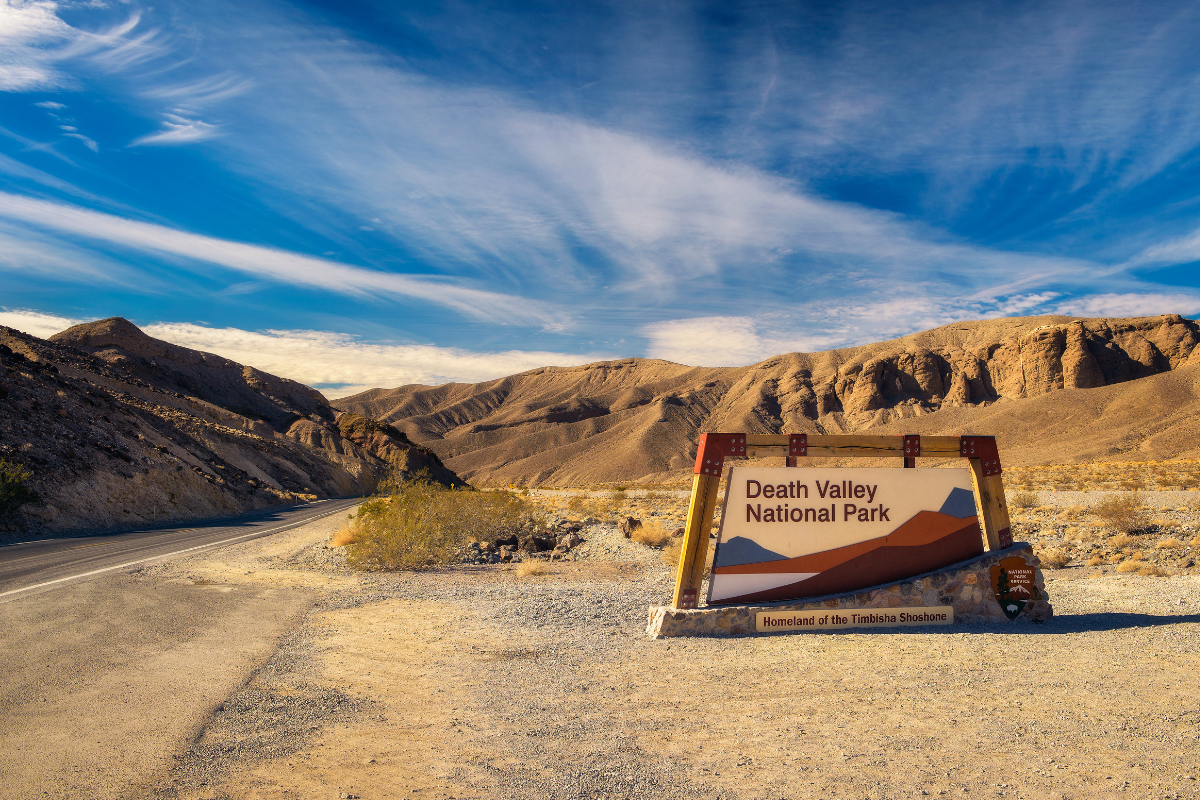

Most people come to Death Valley for the landscapes.
The salt flats. The dunes. The mountains. The feeling that you somehow drove onto another planet without leaving California.
But the deeper you spend time out here, the more you realize Death Valley is not empty at all. It is layered with Indigenous history, mining history, strange desert art, old resort culture, ghost towns, scientific exploration, and generations of people trying to survive one of the harshest environments in North America.
The desert keeps evidence of all of it.
Timbisha Shoshone Homeland
Death Valley, traditionally known as Tümpisa, is the ancestral homeland of the Timbisha Shoshone Tribe.
Long before national park boundaries, mining camps, or road trips through the desert, Timbisha Shoshone communities lived throughout the region using deep knowledge of springs, seasonal movement, plants, trade routes, and survival in extreme desert conditions.
Today, the Timbisha Shoshone Tribe continues to maintain a strong cultural connection to the region, including the Timbisha Village area near Furnace Creek.
Understanding Death Valley as a living cultural landscape instead of simply “empty desert” changes the way you experience the park.
Borax, Mining & Boomtown History
A huge part of Death Valley’s modern identity comes from mining.
Throughout the late 1800s and early 1900s, prospectors moved through the region searching for borax, gold, silver, talc, and other minerals. Harsh conditions, isolation, and brutal labor shaped many of the mining camps and boomtowns scattered throughout the desert.
The famous “20 Mule Team” borax operations helped define Death Valley’s early image in the American West and played a major role in bringing national attention to the region.
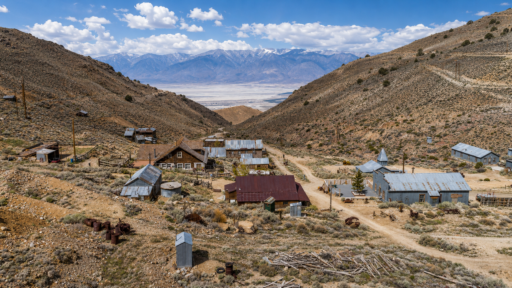
Today, remnants of mining structures, equipment, roads, and ghost towns still exist throughout the park and surrounding areas.
Harmony Borax Works
Located near Furnace Creek, Harmony Borax Works is one of the easiest historic sites to visit in the park.
Interpretive displays and preserved ruins help tell the story of Death Valley’s borax mining era and the labor required to move materials across the desert before modern roads existed.
It’s a short stop, but one that adds important context to the region’s history.
The Amargosa Opera House
Out near Death Valley Junction, the Amargosa Opera House remains one of the strangest and most fascinating cultural landmarks in the desert.
Originally part of a 1920s company town and hotel complex, the building later became known through the work of artist and performer Marta Becket, who transformed the opera house into an isolated desert arts destination filled with murals, performances, and eccentric desert history.
The entire property feels somewhere between Old West relic, folk art project, and desert fever dream.
Which honestly fits Death Valley perfectly.
Museums & Visitor Centers
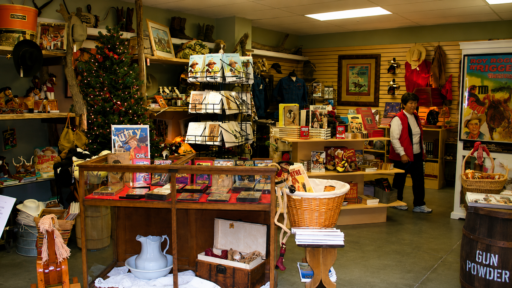
Death Valley’s visitor centers and museums help explain the geology, ecology, mining history, and Indigenous heritage that shaped the region.
The Furnace Creek Visitor Center is one of the best starting points for understanding the scale and history of the park before exploring farther out.
Visitors interested in regional mining history often also stop in nearby communities outside the park, including museums tied to railroads, mining camps, and desert settlement history throughout the Eastern Sierra and Nevada desert region.
Ghost Towns & Desert Ruins
Part of what makes Death Valley compelling is how much evidence of human ambition still exists scattered across the landscape.
Old mining camps. Abandoned structures. Rusted machinery. Desert cabins slowly being reclaimed by wind and heat.
Places like Rhyolite, Leadfield, Skidoo, and other nearby ghost towns remind visitors how difficult life in the desert has always been, and how many people still tried anyway.
Some succeeded briefly. Many did not.
The desert remembers all of it.
A Different Way to Experience Death Valley
It’s easy to treat Death Valley like a scenic drive with a few photo stops.
But slowing down long enough to understand the people, industries, cultures, and histories connected to this landscape changes the experience entirely.
The geology may get your attention first.
The stories are usually what stay with you.
Focus Keyphrase: Death Valley History and Culture
Meta Description: Explore the culture and history of Death Valley National Park, from the Timbisha Shoshone homeland and borax mining era to ghost towns, museums, visitor centers, and the Amargosa Opera House.