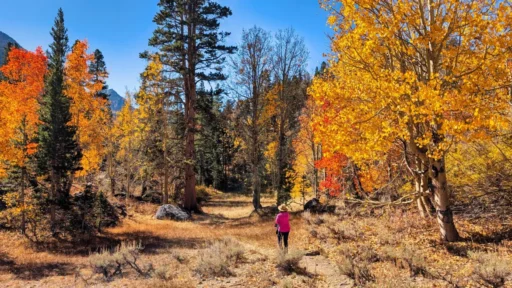


Most people arrive in Bishop because of the landscape.
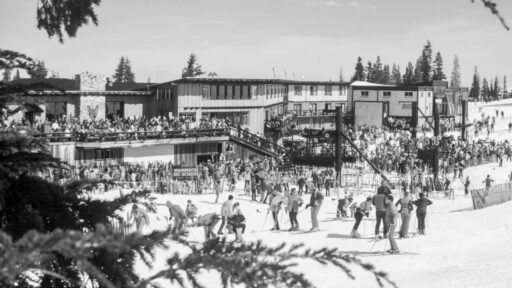
The Sierra Nevada rises abruptly from the valley floor. Trailheads lead toward alpine lakes and granite peaks. Anglers, climbers, skiers, and photographers have been making the trip for generations.
Spend a little time here, though, and you’ll discover that Bishop’s story extends far beyond recreation. The Owens Valley has been shaped by Indigenous communities, ranchers, railroad workers, miners, artists, and conservationists, all leaving their mark on the landscape visitors see today.
Here are a few places to better understand the history and culture of Bishop.
Owens Valley Paiute-Shoshone Cultural Center
Long before Bishop existed, Payahuunadü, the Owens Valley, was home to the Owens Valley Paiute people.
The Owens Valley Paiute-Shoshone Cultural Center preserves and shares that history through exhibits, artwork, traditional basketry, photographs, and educational displays. Visitors can learn about Indigenous land stewardship, irrigation systems, language, and traditions that have shaped the valley for thousands of years.
It’s one of the most important cultural stops in the Eastern Sierra.
Laws Railroad Museum
The arrival of the Carson & Colorado Railroad in the 1880s changed life throughout the Owens Valley.
Today, Laws Railroad Museum preserves that history through one of the most impressive collections of railroad artifacts in the West. Historic buildings, rail equipment, homes, businesses, and exhibits help tell the story of the people who built communities throughout Eastern California.
Plan on spending more time here than you expected.
Walk Historic Downtown Bishop
Bishop developed as a supply center for ranchers, miners, and travelers moving through the Owens Valley.
Many of the historic buildings that helped shape the town remain standing today. A walk through downtown reveals old storefronts, local businesses, murals, cafés, and reminders of the community’s agricultural and commercial roots.
Take your time.
The details are often what make downtown interesting.
Eastern California Museum
Located in the heart of Bishop, the Eastern California Museum offers a deeper look into the people and events that shaped the region.
Exhibits cover ranching, mining, Native history, photography, agriculture, recreation, and life in the Owens Valley. Historic photographs and artifacts help connect visitors to a version of the Eastern Sierra that still feels surprisingly close.
The Story of Water
Few places in California have been shaped more dramatically by water.
Beginning in the early twentieth century, Los Angeles acquired water rights throughout the Owens Valley to support the city’s rapid growth. The construction of the Los Angeles Aqueduct transformed the region and remains one of the most significant chapters in California history.
Driving through the valley today, much of that story is still visible in the landscape.
Bishop Mule Days
Since 1970, Mule Days has celebrated an animal that helped build the American West.
What began as a local gathering has grown into one of the largest mule events in the world. Competitions, demonstrations, concerts, vendors, and one of the largest non-motorized parades in the country fill Bishop each Memorial Day weekend.
Even first-time visitors tend to leave with a greater appreciation for mules.
Explore the Bishop Murals
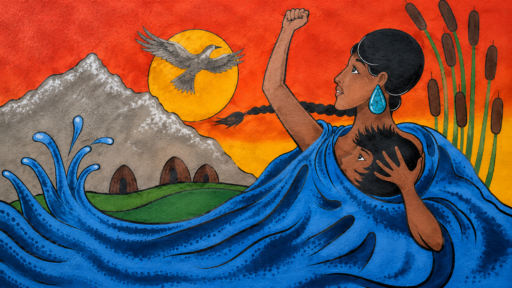
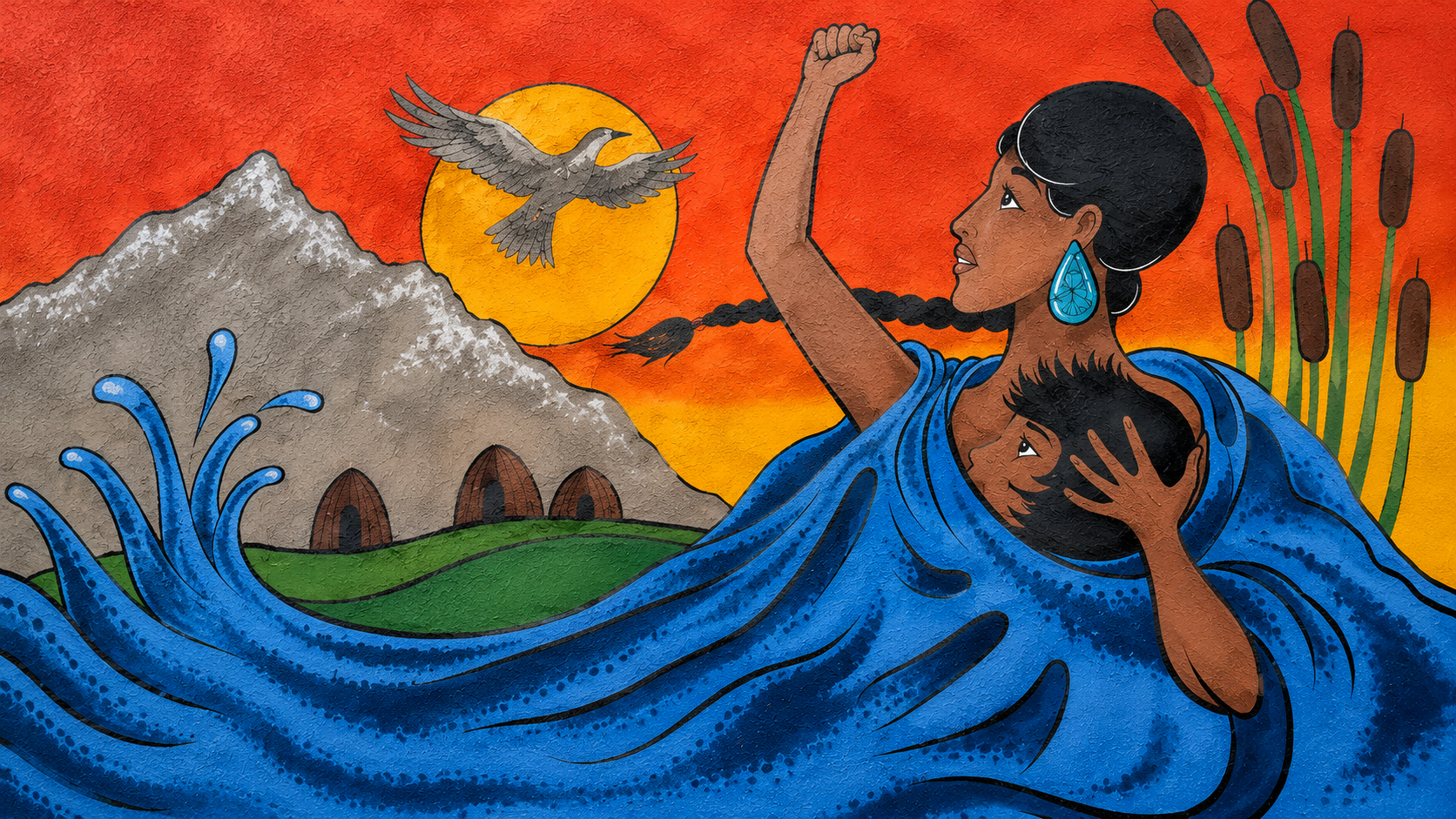
Throughout downtown, murals tell stories of the people, industries, and landscapes that shaped the community.
Themes include Paiute culture, ranching, agriculture, wildlife, mining, transportation, and life in the Owens Valley. Together they create a visual timeline of the region’s history.
They’re also a good excuse to explore downtown on foot.
Attend a Local Event
History isn’t something that only lives in museums.
It shows up at Mule Days, the Tri-County Fair, Fishmas, Millpond Music Festival, local rodeos, farmers markets, and community gatherings throughout the year.
Many of the traditions that built Bishop are still very much alive.
A Community Built by the Valley
The mountains may define the skyline, but the people have shaped the community.
Paiute families, ranchers, railroad workers, miners, artists, anglers, climbers, photographers, and entrepreneurs have all contributed to the story of Bishop. Spend a little time exploring beyond the trailheads and you’ll discover that some of the most interesting parts of the Eastern Sierra aren’t found on a map.