


Before There Was Mammoth
Thousands of years before ski lifts climbed Mammoth Mountain or anglers lined the shores of Lake Mary, the Eastern Sierra was home to Indigenous peoples who traveled, hunted, fished, and gathered throughout the region. The Mono and Paiute peoples developed deep cultural connections to these mountains, meadows, lakes, and valleys, creating seasonal travel routes that connected communities across the Sierra and Owens Valley.
The lakes, forests, and mountain passes that attract visitors today were not wilderness in the modern sense. They were homelands. Places of food, trade, ceremony, and community. Understanding that history is essential to understanding Mammoth itself.
Gold Fever Comes to the Eastern Sierra
Like many communities throughout the American West, Mammoth Lakes owes its name to a mining boom.
In the late 1870s, prospectors discovered gold and silver deposits in the mountains above present-day Mammoth. Investors quickly arrived hoping to capitalize on what many believed would become one of California’s next great mining districts. The Mammoth Mining Company was formed, roads and mills were constructed, and the future looked bright.
Unfortunately, reality failed to match expectations. The mines never produced the fortunes investors imagined, and many operations collapsed within a few years. The boom faded, but the name remained. More than a century later, Mammoth still carries the name of a mining company that no longer exists.
A Landscape Built by Volcanoes
Long before people arrived, Mammoth’s story was being written underground.
The region sits within one of California’s most fascinating volcanic landscapes. Lava domes, geothermal features, hot springs, and ancient eruptions helped shape the terrain visitors experience today. Mammoth Mountain itself is a volcanic feature, part of a landscape that remains geologically active.
You can see evidence of this history throughout the region, from the steaming vents near Hot Creek to the volcanic formations that dot the surrounding landscape. In many ways, the mountains that attract skiers, hikers, and mountain bikers today exist because of forces still working beneath the surface.
The Man Who Changed Everything
If one person can be credited with shaping modern Mammoth Lakes, it’s Dave McCoy.
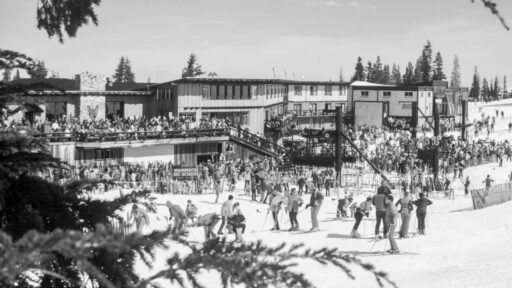
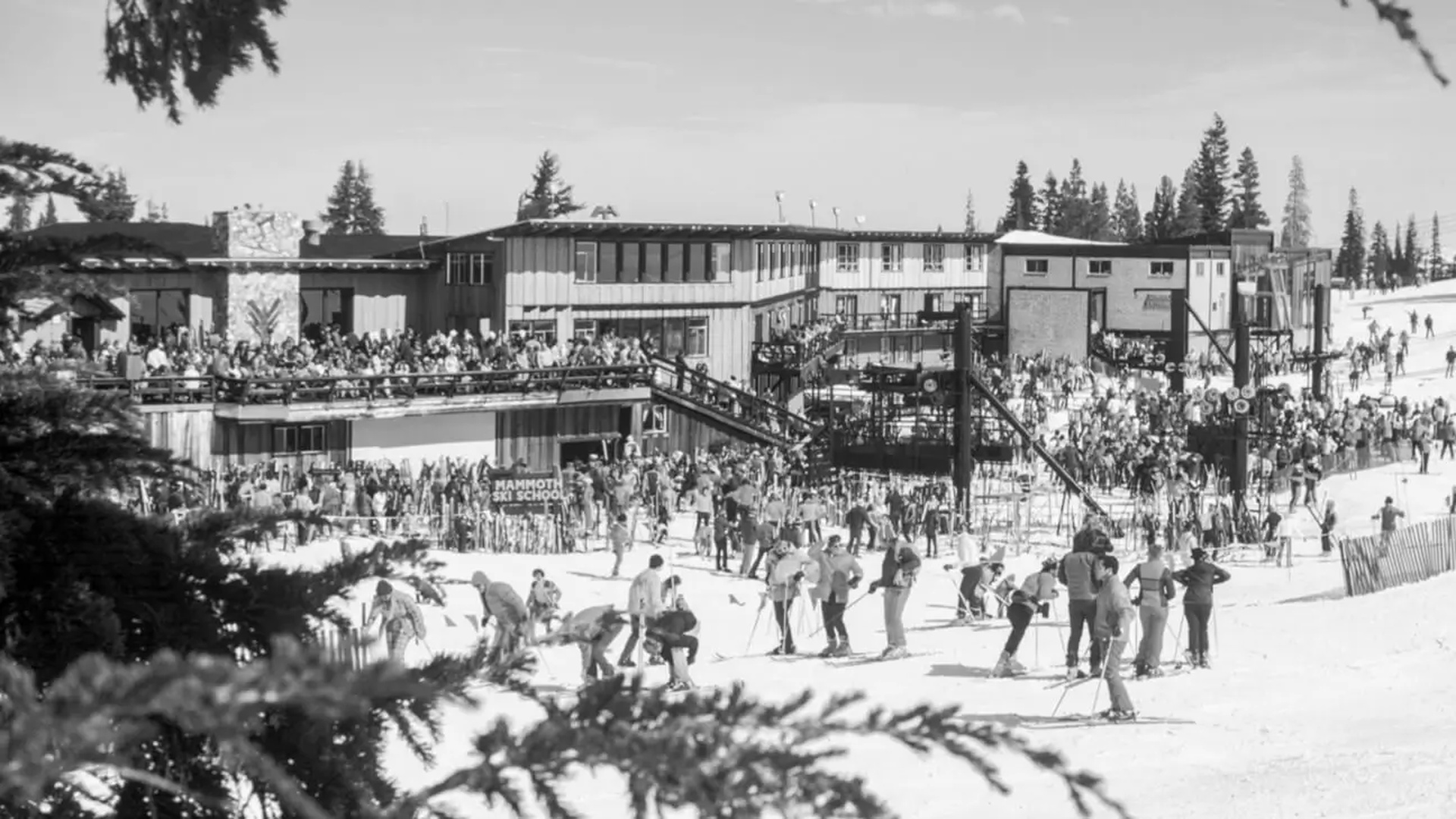
In 1953, McCoy installed a rope tow on Mammoth Mountain. What began as a small ski operation gradually evolved into one of North America’s premier ski destinations. McCoy recognized the mountain’s extraordinary snow conditions long before the rest of California caught on.
Over the following decades, lifts expanded, visitors arrived, and Mammoth transformed from a remote mountain community into a year-round recreation destination. Hotels replaced cabins. Restaurants replaced supply stores. The economy shifted from extraction to recreation.
Without Dave McCoy, Mammoth Lakes as we know it simply wouldn’t exist.
From Ski Town to Adventure Town
Today, Mammoth Lakes is known for much more than skiing.
Mountain biking, fishing, climbing, backpacking, paddling, trail running, and countless other outdoor pursuits have become part of the community’s identity. Millions of visitors come each year seeking adventure in the same mountains that once attracted miners, loggers, and ranchers.
Yet Mammoth’s history remains visible if you know where to look. Historic cabins still stand throughout town. Mining remnants remain scattered across the surrounding mountains. Indigenous history remains deeply connected to the landscape. Even the volcanic forces that created the region continue to shape scientific research and public fascination.
That’s what makes Mammoth unique. Most mountain towns have a single defining story.
Mammoth has several.
It’s a volcanic landscape, a former mining district, a ski town, and an outdoor recreation hub all at the same time. Each generation has arrived looking for something different, but nearly all have been drawn here by the same thing: the mountains.