

Everything feels bigger out here. The terrain is stranger. Distances are deceptive. What looks close usually is not. And depending on the season, the environment can shift from completely manageable to genuinely dangerous very quickly.
You are not hiking through dense forests or alpine lakes out here. You are walking through salt basins, narrow canyons, volcanic landscapes, ancient lake beds, and terrain that often feels more like another planet than the American West.
Here are five hikes worth your time.
Golden Canyon & Red Cathedral
Dramatic badlands, twisting canyon walls, and colors that somehow get better as the light changes throughout the day.
The hike to Red Cathedral adds steeper canyon walls and deeper red rock formations without requiring a massive effort.
This is also one of the better sunrise or late afternoon hikes in the park, especially during cooler months.
Trailhead: Golden Canyon Parking Area
Mileage: 3 miles round trip
Difficulty: Moderate
Mosaic Canyon
Mosaic Canyon is one of the more unique canyon hikes in the park.
The polished marble walls, narrow passageways, dry falls, and smooth rock formations make this one feel more interactive than many Death Valley hikes. Depending on recent flooding, you may find yourself scrambling over rocks and navigating tight canyon sections.
It’s especially popular for photographers and first-time visitors because it feels distinctly “Death Valley” without requiring a full-day commitment.
Trailhead: Mosaic Canyon Road
Mileage: 4 miles round trip
Difficulty: Moderate
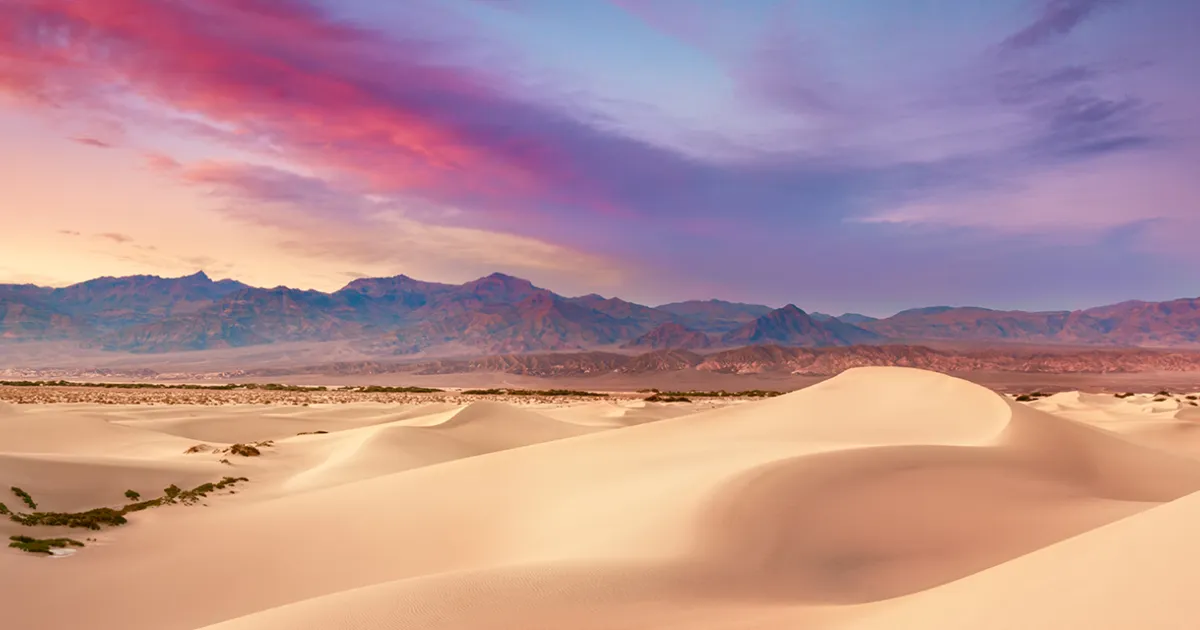
Mesquite Flat Sand Dunes
The Mesquite Flat Sand Dunes are one of the most recognizable landscapes in Death Valley National Park and one of the easiest places to simply wander. No trail needed.
Sunrise and sunset are the best times to explore when shadows create dramatic textures across the dunes and temperatures are more manageable. The farther you walk from the parking area, the quieter it gets.
Bring water. Sand hiking always feels longer than expected.
Trailhead: Mesquite Flat Sand Dunes Parking Area
Mileage: Flexible
Difficulty: Easy to Moderate
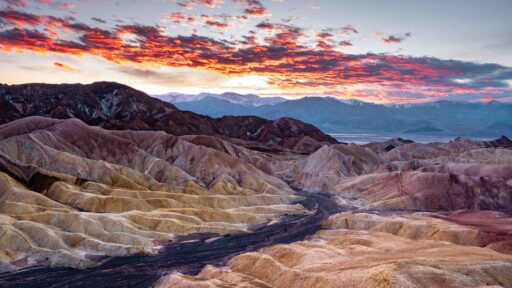
Badlands Loop at Zabriskie Point
Most people stop at Zabriskie Point for the overlook, take a few photos, and leave.
The better experience is hiking into the badlands themselves.
The Badlands Loop drops you directly into the layered hills and eroded terrain that make this one of the most photographed parts of the park. Early morning light out here feels almost unreal.
This is a shorter hike, but one of the most visually rewarding for the amount of effort involved.
Trailhead: Zabriskie Point
Mileage: 2.5 miles loop
Difficulty: Moderate
Darwin Falls
Yes, there is actually a waterfall in Death Valley.
Located on the western side of the park near Panamint Springs, Darwin Falls feels almost completely disconnected from the rest of the desert landscape surrounding it.
The hike follows a creek through a surprisingly green canyon before reaching a year-round waterfall hidden among reeds and rock walls.
It’s one of the stranger and most unexpected hikes in the park, which is exactly why people love it.
Trailhead: Darwin Falls Trailhead
Mileage: 2 miles round trip
Difficulty: Easy
A Few Things to Know Before Hiking in Death Valley
Death Valley is beautiful, but it can also become dangerous quickly if you underestimate the environment.
A few things worth remembering:
- Start early, especially in warmer months
- Carry far more water than you think you need
- Cell service is unreliable throughout the park
- Summer temperatures can exceed 120 degrees
- Check trail and road conditions before heading out
- Flash floods can occur in canyon systems
And despite the name, this place is very alive. Respect the landscape, stay on established routes where possible, and recreate responsibly.