

Long before climbers, hikers, and road trippers discovered the Eastern Sierra, the Owens Valley was home to thriving Native communities, ranching settlements, mining camps, and transportation routes that helped shape California’s history. Today, Independence and Big Pine offer visitors an opportunity to explore the stories, landmarks, and cultural resources that continue to define this remarkable region.
Independence
Founded in the 1860s during the Owens Valley’s mining and settlement era, Independence has served as the seat of Inyo County for more than a century. The town’s history is closely tied to the Owens Valley Paiute people, early ranching and mining operations, the construction of the Los Angeles Aqueduct, and its role as the governmental center of Eastern California. Today, Independence remains one of the region’s most important destinations for visitors interested in Owens Valley history and culture.
Independence is home to many of the Eastern Sierra’s most important historical attractions. As the county seat of Inyo County, the town serves as a hub for museums, historic buildings, and cultural landmarks that tell the story of the Owens Valley.
Manzanar National Historic Site
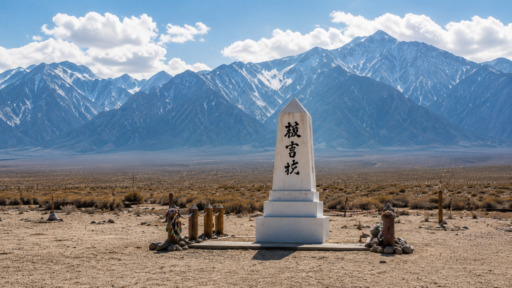
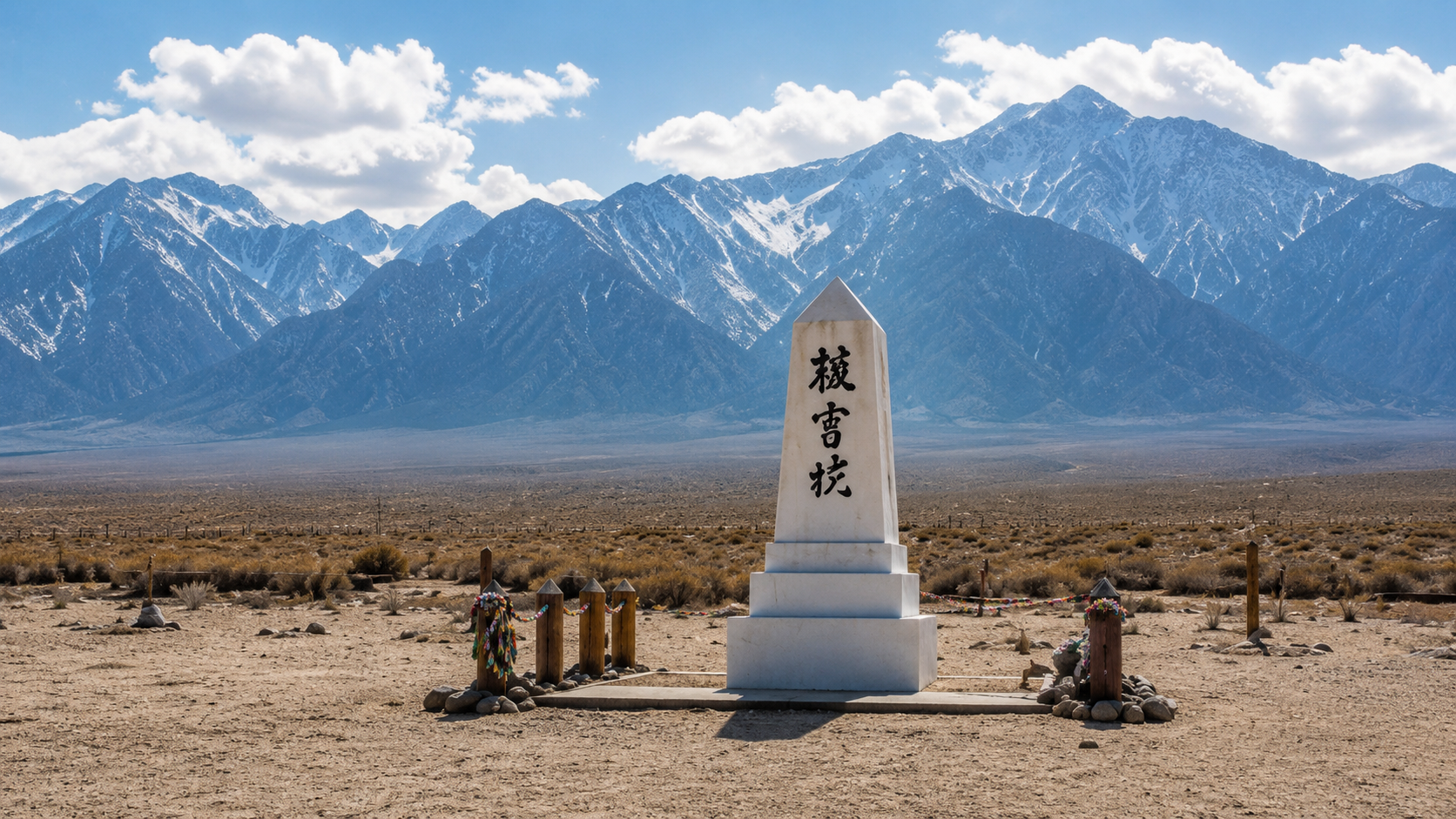
Located just south of Independence, Manzanar preserves the history of more than 10,000 Japanese Americans who were incarcerated here during World War II. The visitor center, interpretive exhibits, restored gardens, and self-guided driving tour help tell the story of those who lived at Manzanar and the lasting impact of Executive Order 9066.
Eastern California Museum
The Eastern California Museum houses one of the region’s most extensive collections of local history. Exhibits explore Owens Valley Paiute culture, mining, ranching, transportation, the Los Angeles Aqueduct, and life throughout the Eastern Sierra. The museum’s outdoor exhibits and historic structures provide an excellent introduction to the people and events that shaped Inyo County.
Mary Austin House
Author, naturalist, and conservation advocate Mary Austin lived in Independence while writing many of her most influential works, including The Land of Little Rain. Her restored home remains an important literary landmark and offers visitors a connection to one of the earliest writers to document the landscapes and cultures of the American West.
Mt. Whitney Hatchery
Built in 1917, the Mt. Whitney Fish Hatchery is one of the Owens Valley’s most recognizable historic landmarks. Constructed from locally quarried granite and listed on the National Register of Historic Places, the hatchery remains a popular stop for visitors interested in local history, architecture, and the area’s long relationship with fisheries and conservation.
Inyo County Courthouse
The historic Inyo County Courthouse stands at the center of Independence and remains one of the community’s most recognizable buildings. Its distinctive architecture and prominent location reflect the town’s long-standing role as the governmental center of Inyo County.
Winnedumah Hotel
The Winnedumah Hotel has welcomed travelers to Independence for more than a century. Originally built during the early years of automobile tourism in the Owens Valley, the historic hotel continues to serve as a reminder of the region’s transportation and hospitality history.
Big Pine
Located at the base of the Sierra Nevada and White Mountains, Big Pine developed as an agricultural and transportation center serving ranchers, farmers, and travelers moving through the Owens Valley. The community has long been home to the Owens Valley Paiute people and remains an important gateway to the White Mountains, Ancient Bristlecone Pine Forest, Big Pine Creek, and some of the most dramatic landscapes in the Eastern Sierra.
Ancient Bristlecone Pine Forest Visitor Center
Located in the White Mountains east of Big Pine, the Ancient Bristlecone Pine Forest Visitor Center provides an introduction to one of the most extraordinary landscapes in North America. Exhibits explore the geology, ecology, archaeology, and cultural history of the White Mountains while helping visitors understand the harsh environment that supports the world’s oldest living trees.
The visitor center serves as an excellent starting point before exploring the Ancient Bristlecone Pine Forest and offers educational displays, maps, and information about the region’s natural and cultural resources.