

History
Nestled between the Sierra Nevada and Inyo Mountains, Lone Pine has served as a crossroads for travelers, miners, ranchers, filmmakers, and adventurers for more than a century.
The area has been home to the Nüümü (Paiute) people for thousands of years, who developed deep cultural connections to the Owens Valley’s water, plants, wildlife, and seasonal landscapes. Following the arrival of settlers in the mid-1800s, Lone Pine grew into a small agricultural and transportation hub serving ranches, mines, and communities throughout the region.
In 1872, a powerful earthquake devastated much of the town, permanently shaping its development and becoming one of the most significant natural disasters in California history. In the decades that followed, Lone Pine became a gateway to the High Sierra, attracting mountaineers heading for Mount Whitney, prospectors bound for the Inyo Mountains, and eventually filmmakers drawn to the dramatic scenery of the Alabama Hills.
Today, Lone Pine’s history can still be explored through its museums, historic sites, cemeteries, downtown buildings, mining towns, and cultural landmarks. From Hollywood westerns and silver booms to Indigenous history and the story of Manzanar, the town offers visitors a unique window into the many forces that shaped the Eastern Sierra.
Museum of Western Film History
Located in downtown Lone Pine, the Museum of Western Film History celebrates the region’s role as one of the most filmed landscapes in the American West.
The museum features movie props, costumes, photographs, vehicles, and exhibits highlighting the hundreds of films, television shows, and commercials shot in the Alabama Hills and Owens Valley. From classic westerns starring John Wayne and Roy Rogers to modern productions, the museum offers a fascinating look at Hollywood’s long relationship with Lone Pine.
Eastern Sierra Visitor Center
The Eastern Sierra Visitor Center serves as an excellent introduction to the natural and cultural history of the region.
Located just south of Lone Pine, the visitor center features exhibits on Mount Whitney, local geology, wildlife, public lands, and the people who have called the Owens Valley home for generations. It’s also one of the best places to learn about recreation opportunities throughout the Inyo National Forest and surrounding public lands.
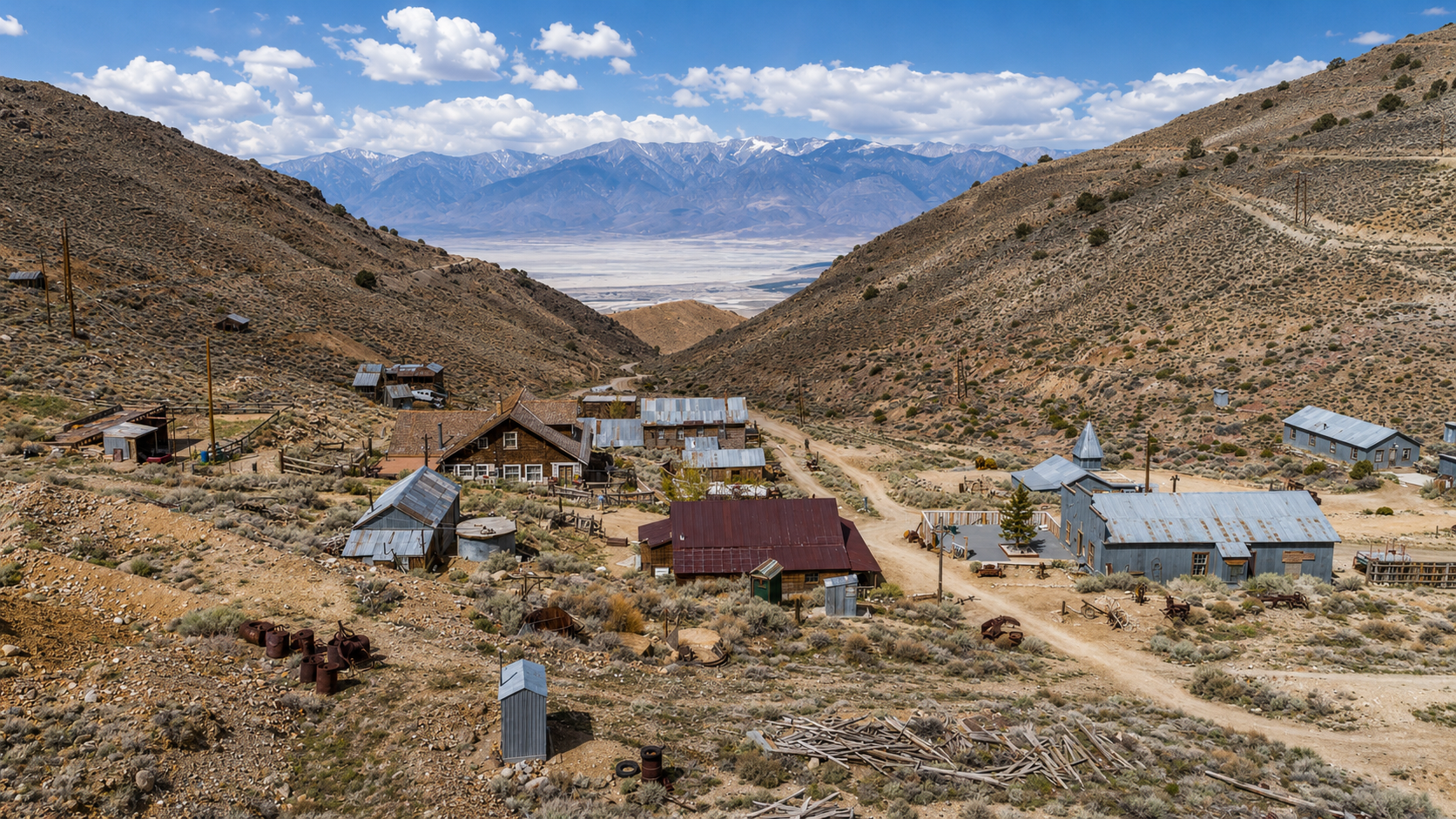
Cerro Gordo Ghost Town
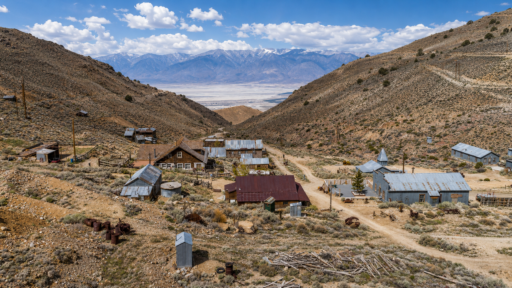
Perched high above Owens Valley in the Inyo Mountains, Cerro Gordo was once one of California’s richest silver mining districts.
Today, visitors can explore restored historic buildings, mining relics, and sweeping views overlooking the valley below. The town’s colorful history includes silver fortunes, stagecoach routes, boomtown growth, and the challenges of life in one of the most remote mining communities in the West.
The drive alone is worth the trip.
Lone Pine Cemetery
Established in the late 1800s, the Lone Pine Cemetery provides a window into the area’s early settlers, ranching families, miners, and pioneers.
Visitors will find stories of resilience, hardship, and community that helped shape the modern Owens Valley. Walking among the historic headstones offers a quiet reminder of the people who built lives in this rugged landscape long before tourism arrived.
Whitney Portal
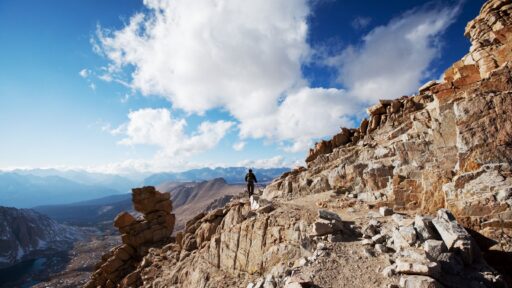
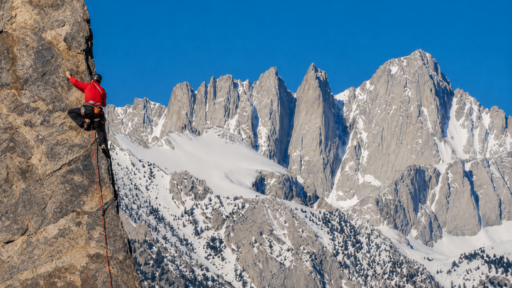
At 8,300 feet, Whitney Portal serves as the gateway to Mount Whitney, the highest peak in the contiguous United States.
For more than a century, hikers, climbers, anglers, and adventurers have passed through the Portal on their way into the High Sierra. Historic stonework, cabins, campgrounds, and trail infrastructure reflect generations of recreation history in the Eastern Sierra.
The area also tells the story of the people who helped make access to the mountains possible, from early explorers and packers to the trail crews who built and maintained routes into the wilderness. Today, Whitney Portal remains one of California’s most iconic trailheads and a gathering place for everyone from first-time visitors to seasoned mountaineers.
Of course, no visit is complete without stopping at the legendary Portal Store, a longtime Eastern Sierra institution known for oversized pancakes, burgers, and generations of Mount Whitney stories.